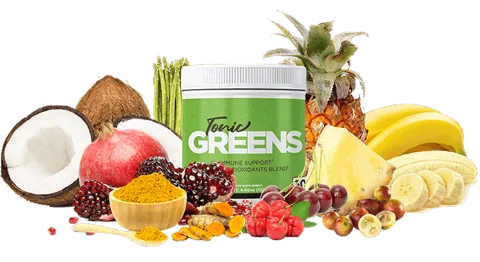
Quick answer: Tonic Greens is sold as a 6-group, 57+ ingredient greens powder. The official sales page names: kale, asparagus, green bell pepper, broccoli, orange, acerola cherry, green tea leaf, Concord grape, blueberry, blackberry, raspberry, cranberry, turmeric root, spirulina, parsley, banana, coconut juice, wheatgrass, apricot, Brussels sprouts, cabbage, tomato, cucumber, cinnamon bark, reishi, shiitake and maitake mushrooms, spinach, Korean ginseng root, pineapple, cauliflower, camu camu, cherry, pomegranate and beet root, plus a prebiotic and probiotic mix. That's about 35 named ingredients; the rest aren't listed on the sales page.
The 6 Tonic Greens Ingredient Groups
Here is every ingredient the official page names, grouped the way the seller groups them, with a plain-English note on each.
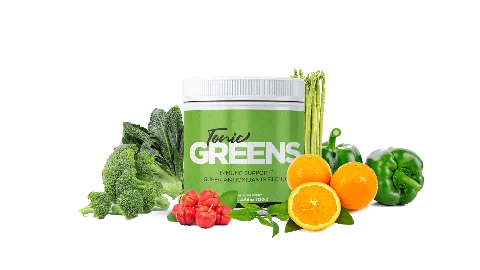
Group 1: Quercetin sources
- Kale: A leafy green rich in vitamin K and plant compounds.
- Asparagus: A vegetable providing folate and fiber.
- Green bell pepper: A source of vitamin C.
- Broccoli: A cruciferous vegetable with vitamin K and sulforaphane precursors.
- Orange: A citrus fruit known for vitamin C.
- Acerola cherry: One of the richest natural sources of vitamin C.
- Green tea leaf: Contains catechins and some caffeine. (NCCIH: Green Tea)
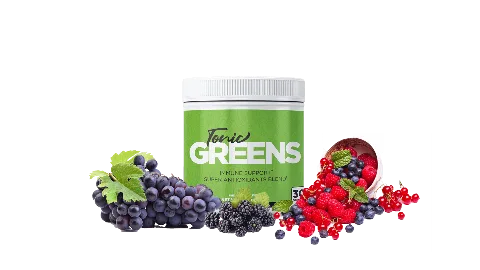
Group 2: Resveratrol berry mix
- Concord grape: A dark grape with polyphenols, including small amounts of resveratrol.
- Blueberry: Rich in anthocyanins.
- Blackberry: A dark berry with polyphenols and fiber.
- Raspberry: A berry with ellagic acid and vitamin C.
- Cranberry: A tart berry with proanthocyanidins.
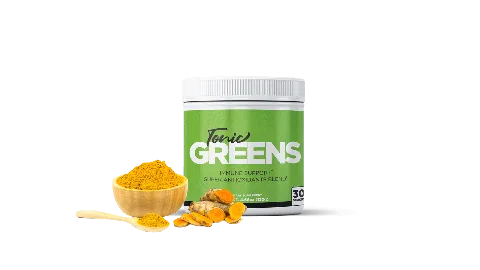
Group 3: Curcumin
- Turmeric root: Contains curcumin. Turmeric is poorly absorbed on its own, and research doses are much larger than what a small greens scoop likely provides. (NCCIH: Turmeric)
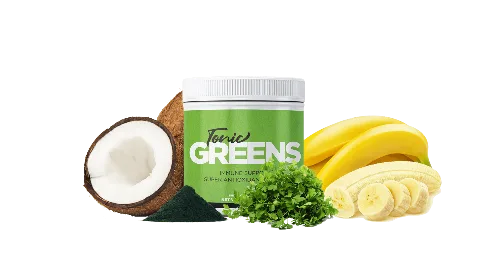
Group 4: Extra antioxidants
- Spirulina: A blue-green algae powder with protein and pigments.
- Parsley: A leafy herb high in vitamin K.
- Organic banana: Adds flavor and potassium.
- Coconut juice: Adds flavor; also called coconut water.
- Wheatgrass: Young wheat grass, a classic greens-powder base. Wheatgrass is generally considered gluten-free when harvested before the grain forms, but check the label if you have celiac disease.
- Apricot: A fruit with beta-carotene.
- Brussels sprouts: A cruciferous vegetable with vitamin K.
- Cabbage: A cruciferous vegetable.
- Tomato: A source of lycopene.
- Cucumber: Mostly water; adds mild flavor.
- Cinnamon bark: A warming spice; the seller makes antioxidant comparisons we couldn't verify.
Group 5: Immune-system phytomix
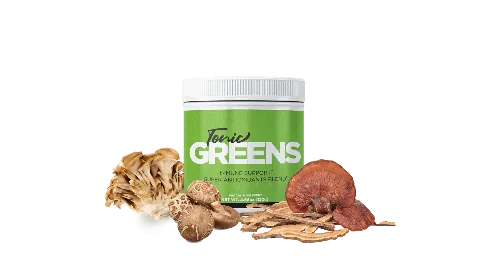
- Reishi mushroom: A traditional medicinal mushroom.
- Shiitake mushroom: An edible mushroom with beta-glucans.
- Maitake mushroom: An edible mushroom with beta-glucans.
- Spinach: A leafy green rich in vitamin K.
- Korean ginseng root: May lower blood sugar and affect clotting; insomnia is its most common side effect. (NCCIH: Asian Ginseng)
- Pineapple: Adds flavor; contains the enzyme bromelain.
- Cauliflower: A cruciferous vegetable.
- Camu camu fruit: An Amazon fruit very high in vitamin C.
- Cherry: A fruit with anthocyanins.
- Pomegranate: A fruit with punicalagins.
- Beet root: A source of natural nitrates and color.
Group 6: Prebiotic & probiotic mix
The sales page says this mix keeps “the digestive system healthy and able to fully absorb all nutrients.” It doesn't name the prebiotic fibers, the probiotic strains or the number of live organisms (CFU). That matters, because the effects of probiotics depend on the specific strain and dose. People with weakened immune systems or serious illnesses face higher risks from probiotics. (NCCIH: Probiotics)
See Tonic Greens on the Official Site
Check the official page for the current formula, package prices and the 60-day return policy.
View Tonic Greens Ingredients → Opens the official Tonic Greens order page (secure BuyGoods checkout). Prices checked October 8, 2026; confirm the total at checkout.How Much of Each Ingredient Is in a Scoop?
We couldn't find a Supplement Facts panel with amounts on the official site. What we do know: the jar holds 132 g and 30 scoops, so each scoop is about 4.4 g (our calculation). With 57+ ingredients sharing that scoop, most are present in small amounts. If exact doses matter to you, ask the seller at support@phytogreens.net for the full label before buying.
Is Tonic Greens Organic, Gluten-Free or Vegan?
- Organic: the sales page calls the ingredients “certified organic,” but we saw no USDA Organic seal on the jar images.
- Gluten: wheatgrass is generally gluten-free when harvested young, but cross-contact is possible; check with the seller if you have celiac disease.
- Vegan: all named ingredients are plant, algae or mushroom based, but the source of the probiotic cultures isn't specified.
Our Verdict on the Formula
Tonic Greens covers an impressive variety of plant foods. The trade-off is depth: with undisclosed amounts and a small scoop, you're getting a sampler of many ingredients rather than a meaningful dose of any one of them. That's fine for a convenience “greens top-up,” but not proof of any immune effect.
Frequently Asked Questions
How many ingredients are in Tonic Greens?
The seller says over 57. The official sales page names about 35 of them in 6 groups, plus an unspecified prebiotic and probiotic mix.
Does Tonic Greens contain caffeine?
It contains green tea leaf, which naturally contains some caffeine. The amount per scoop isn't disclosed.
Does Tonic Greens contain probiotics?
Yes, the seller lists a prebiotic and probiotic mix, but it doesn't name the strains or the number of live organisms.
Is Tonic Greens high in vitamin K?
It contains several vitamin K–rich greens (kale, spinach, parsley, broccoli, Brussels sprouts). The exact amount isn't disclosed. If you take warfarin, talk to your doctor first.
Does Tonic Greens have a Supplement Facts label?
As a dietary supplement it should carry one on the jar, but we couldn't find a Supplement Facts panel with ingredient amounts on the official website.